The Role of DNA in Crime Investigation: A Look Back at 2002
A Tribute to Dr N.J.C. Olivier†
Honouring his Contribution to Forensic Science and Biology Education in South Africa
In 2002, Dr N.J.C. Olivier, who is the architect of what is now known as Forensic Academy Africa, published an article in Acta Criminologica titled "The Role of DNA in the Investigation of Crime: A Case for Its Use by South African Investigators".
To commemorate the five-year anniversary of Dr N.J.C. Olivier's passing, and to honour his contribution to forensic science and biology education in South Africa, Forensic Academy Africa revisits the key findings and conclusions made back in 2002.
Research drawn from existing literature and interviews shows that DNA is a valuable and widely used tool in criminal investigations. However, its application in South Africa still has room for improvement. DNA testing remains costly, and results can take up to 3 months to be processed. In addition, not all police members at the SAPS Client Service Centres (police station) level are sufficiently informed about DNA as an investigative method.
The more officers understand DNA and its practical use, the more effective it can become as an investigative resource. If investigators are serious about contributing to crime prevention and improving their success rates, they need to strengthen their knowledge of investigative methods and techniques, including DNA analysis. In South Africa, investigators have not traditionally documented their experiences in writing, resulting in many investigative successes going unrecorded.
This tribute coincides with the final chapter of a landmark qualification. Intake 18, closing on 15 June 2026, will be the final intake of the National Certificate: Forensic Science (SAQA ID 57651) in its current Legacy Qualification form.
This tribute also marks the closing chapter of another historic qualification. After 16 years, the
National Certificate: Forensic Biology (SAQA ID 57977), in its current form as a Legacy Qualification, will no longer accept learner uptake after
15 June 2026.
Source: Olivier, N. J.C. (2002). The Role of DNA in the investigation of crime: A case study for its use by South African investigators. Acta Criminoligica, 15(2).
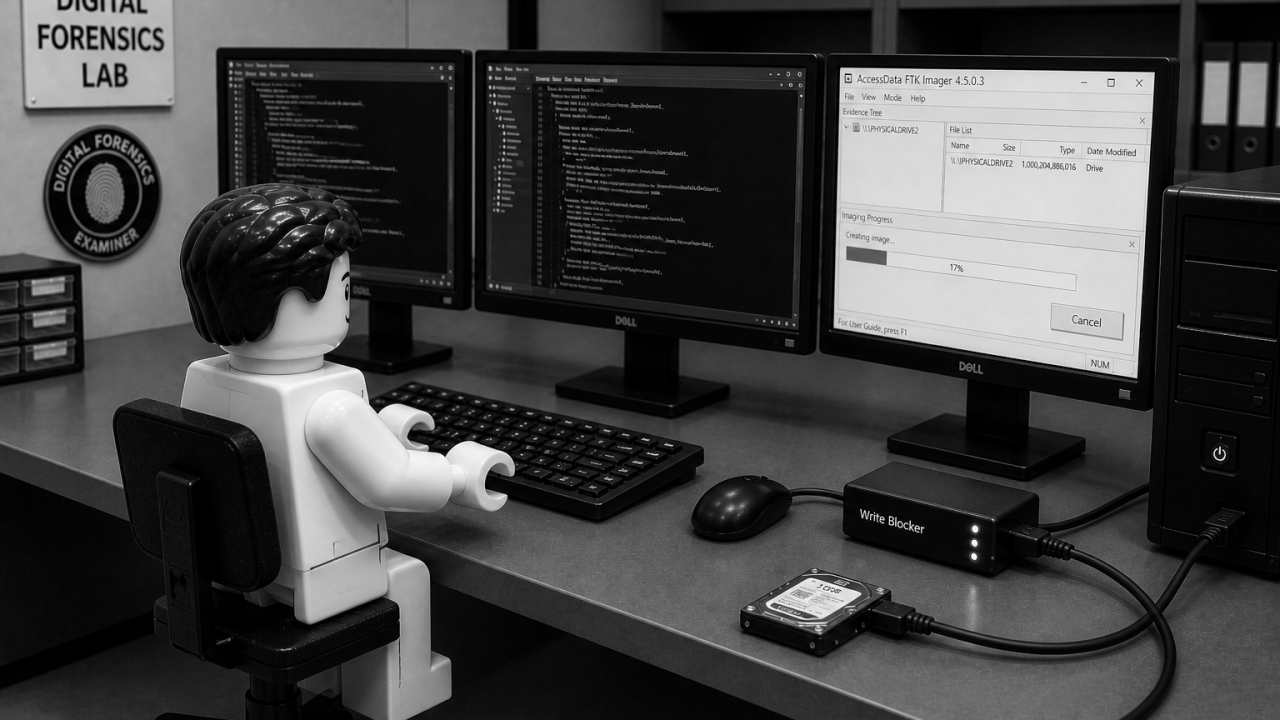
Image: By Quillbot AI Image Generator