Forensic Investigative Leads: An Underutilised Weapon Against Crime
Editorial: (Forensic Science)
"The Identification, Processing and Investigation of Forensic Investigative Leads in the South African Police Service"
Evidence databases, DNA, fingerprints, ballistics, etc., should be a powerful engine driving faster crime detection, yet within the South African Police Service, they remain underused, hampered by backlogs, siloed systems, uneven investigative discipline, and persistent skills shortages.
In their 2026 study, Smith and Horne cut through the noise by mapping how forensic investigative leads (FILs) actually move through the system, testing their reliability in practice, and exposing the operational choke points that blunt their impact.
Drawing on system data, documentary analysis, and practitioner insight, the research does more than diagnose dysfunction; it offers a grounded framework and practical guidelines to speed up FIL processing and strengthen investigative and court outcomes.
The message is blunt: without investing in competent personnel, coherent processes, and consistent oversight, SAPS will continue to leave valuable forensic intelligence on the table. Fixing this is not just a technical exercise; it is central to improving detection rates, securing convictions, and restoring public confidence in the police's ability to solve crime.
Source: Smith, J. H., & Horne, J. S. (2026). The identification, processing and investigation of forensic investigative leads in the South African Police Service. SN Social Sciences, 6(3), 99. https://doi.org/10.1007/s43545-025-01277-5
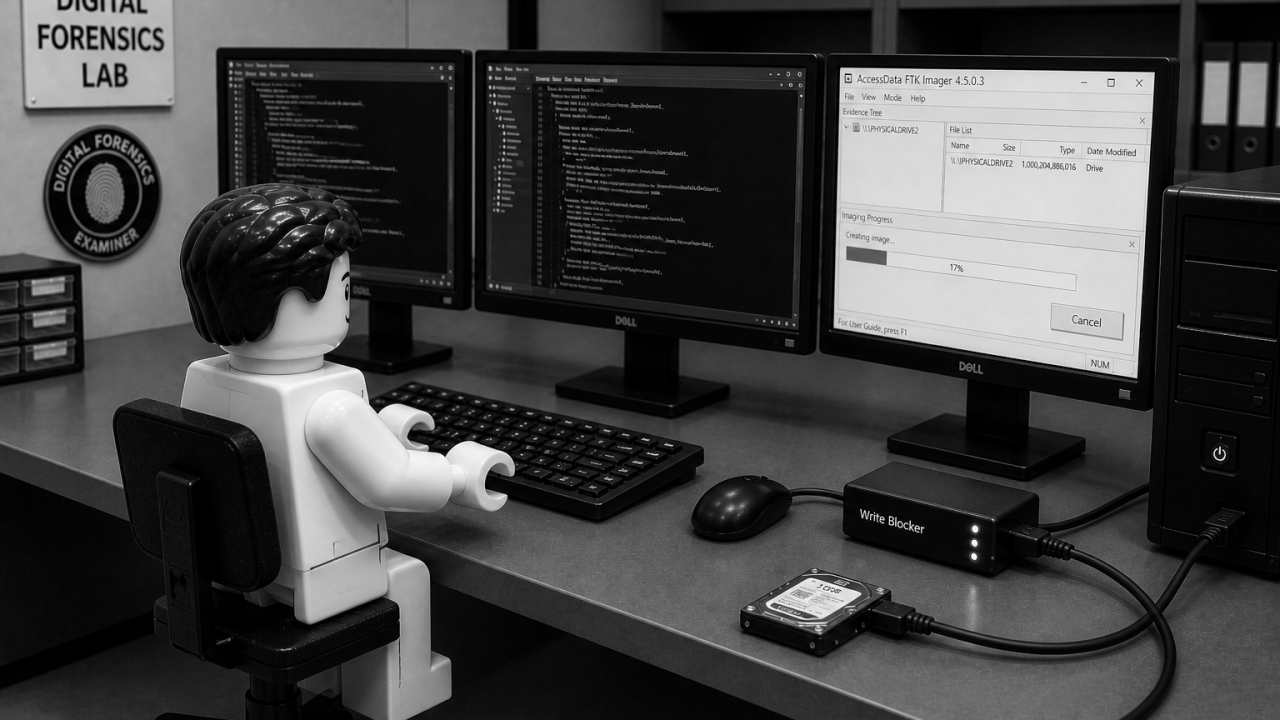
Image: QuillBot (2026). Forensic Investigative Leads [AI-generated image].