Beyond Proof-of-Concept: Making Forensic Science Research Count
Editorial: (Forensic Science)
"Towards More Relevance in Forensic Science Research and Development"
For more than a decade, forensic science has been circling the same set of problems, with quality management and research routinely touted as the fix. Yet despite a surge in publications, many driven by adjacent disciplines, the field risks drifting further from its own practical core. Too much recent research is preoccupied with methods and technology, while too little grapples with whether those innovations actually serve real investigations.
The result is a familiar pattern: promising ideas stall at the proof-of-concept stage, rarely making the leap into everyday casework.
Meanwhile, the digital boom has flooded the space with data and publications, making it harder, not easier, to identify what truly matters. No technological advance can compensate for poor-quality evidence gathered at the source.
If forensic science is to move forward, it needs less fascination with novelty and more commitment to relevance, anchored in stronger education, sharper critical thinking, and a culture that prioritises real-world impact over academic output.
Source: Weyermann, C., Willis, S., Margot, P., & Roux, C. (2023). Towards more relevance in forensic science research and development. Forensic Science International, 348, 111592. https://doi.org/10.1016/j.forsciint.2023.111592
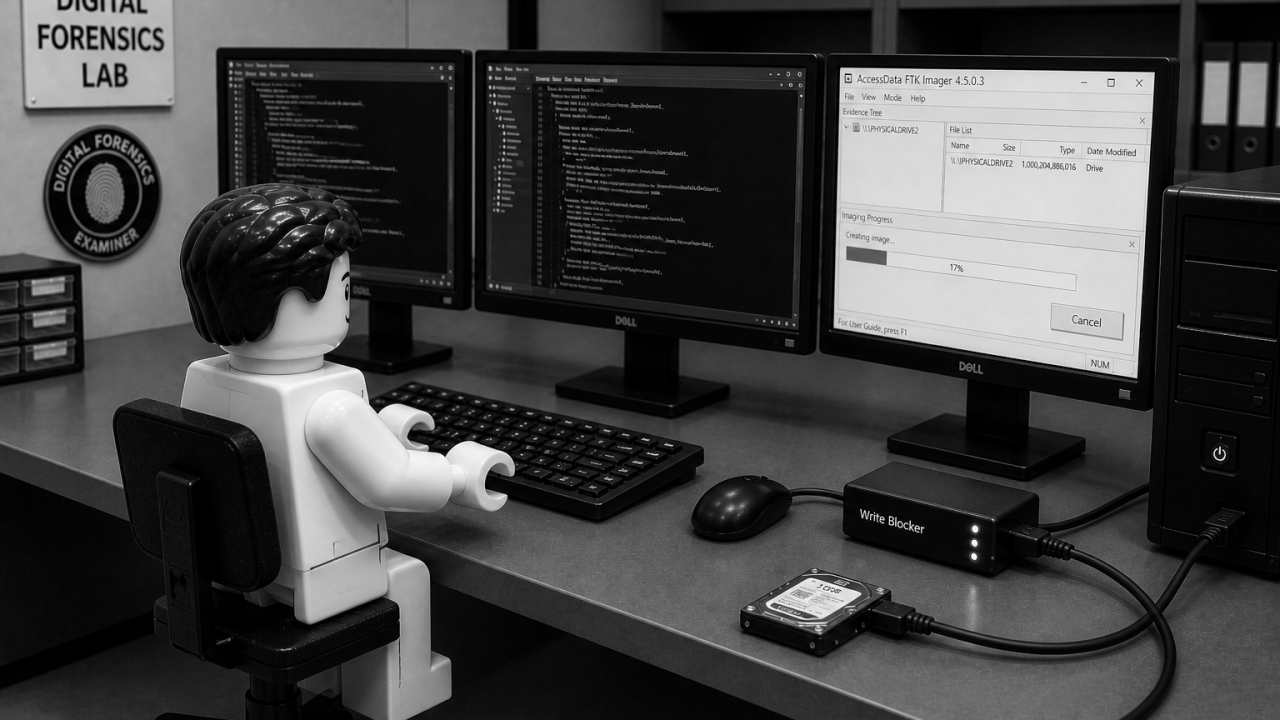
Image: OpenAI. (2026). From Theory to the Courtroom [AI-generated image]. ChatGPT.