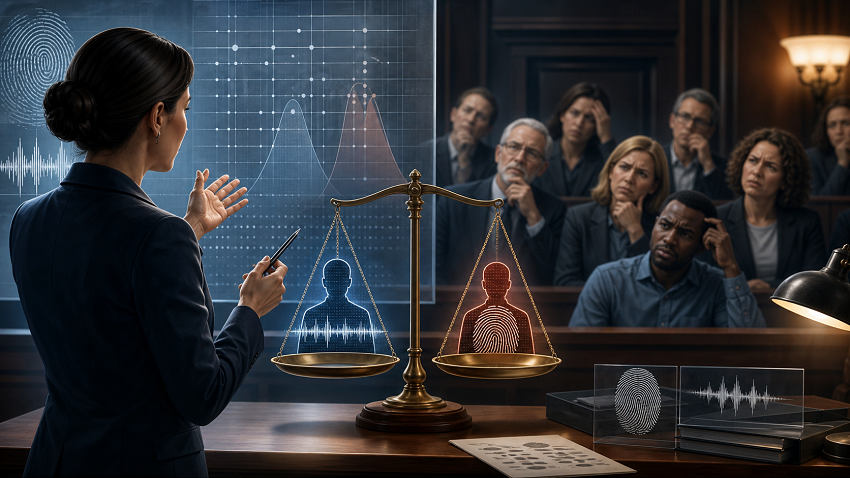
In the Age of AI: Transforming Forensic Science While Practitioners Remain Vigilant
Editorial: (Forensic Science)
"Artificial Intelligence in Forensic Science: Can It Be a Revolution or Else?"
The need to rely on facts and data rather than assumptions and indignation was emphasised in a recent LinkedIn article by Joha-Maine Andrianatos titled "In the Age of AI: What Fraud Examiners Can Learn" in the field of financial crime investigation. This made me consider the impact on practitioners' prejudices and the function of AI in criminal justice. In this age of instantaneous global information dissemination, how can one preserve a healthy dose of critical thinking?
I recalled an article titled "Artificial Intelligence in Forensic Science: Can It Be a Revolution or Else?" that highlights the growing influence of AI in the field of forensic science. It suggests that forensic science is entering an exciting phase, where new technologies, methods, and scientific breakthroughs are opening up possibilities that once seemed unimaginable. As technology continues to permeate everyday life, crime-solving is becoming increasingly advanced—almost futuristic in its capabilities.
Looking ahead, forensic work will likely be supported by AI, though not entirely driven by it, especially in the gathering and interpretation of evidence for law enforcement. This shift means that not only forensic scientists, but also practising experts, law enforcement personnel, and others involved in the justice system will need a basic understanding of AI, machine learning, and neural networks.
Source: Saba, N. & Balwan, W. K. (2025). Artificial Intelligence in Forensic Science: Can It Be a Revolution or
Else? Scholars Academic Journal of Biosciences, 16(22), 9777. https://doi.org/10.36347/sajb.2025.v13i03.005
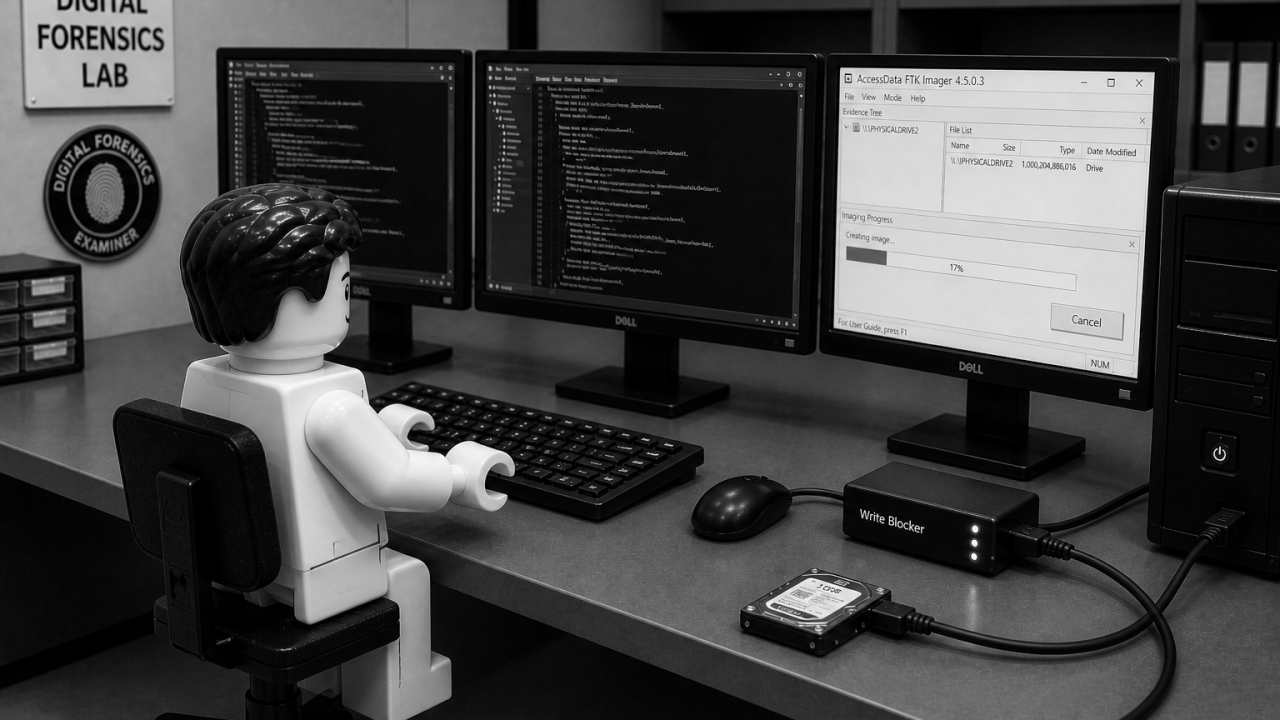
Image: OpenAI. (2026). In the age of AI: Transforming forensic science while practitioners remain vigilant [AI-generated image]. ChatGPT.