Forensic Accounting in South African Banks to Reduce Fraud Risk.
Editorial: Forensic Accounting
"Application of forensic accounting techniques in the South African banking industry for the purpose of fraud risk mitigation."
The banking sector is progressively vulnerable to cyber crime as it embraces new technology and digital banking systems. These risks can diminish client happiness and adversely affect profitability, goodwill, and the general reputation of banks. An effective method to mitigate these risks is through proficient forensic accounting. This research investigates the application of forensic accounting techniques within South Africa's banking sector, specifically concerning fraud risk assessment and management. The results indicate that deficiencies arising from the inadequate use of forensic methods partially contribute to cyberfraud occurrences in the industry. The research underscores the significance of forensic accounting in mitigating fraud risk and aims to enhance the sparse literature in this domain.
The research primarily investigates the function of forensic accounting methods in reducing fraud risk. The study employed an explanatory research design, utilising a qualitative methodology and purposive sampling. Primary data were obtained from the 17 licensed commercial banks functioning in South Africa. Conclusions were derived via inferential statistical analysis by accurately depicting the situation inside these banks. The study examined both human and organisational viewpoints, incorporating insights from bank experts. The findings indicate that deficiencies in the use of forensic methods contribute to some instances of cyber crime inside the banking sector. The study found inadequate evidence to definitively establish a direct connection between fraud risk assessment and management and the effective application of forensic accounting concerning the identified causes of cyberfraud; however, it did indicate a positive correlation between fraud risk assessment and management and the implementation of forensic accounting. The study highlights the significance of forensic accounting in reducing fraud risk and seeks to enhance the current literature, which is still scarce in this domain.
Source: Akinbowale, O. E., Klingelhöfer, H. E., & Zerihun, M. F. (2023). Application of forensic accounting techniques in the South African banking industry for the purpose of fraud risk mitigation. Cogent Economics & Finance, 11(1), 2153412. https://doi.org/10.1080/23322039.2022.2153412
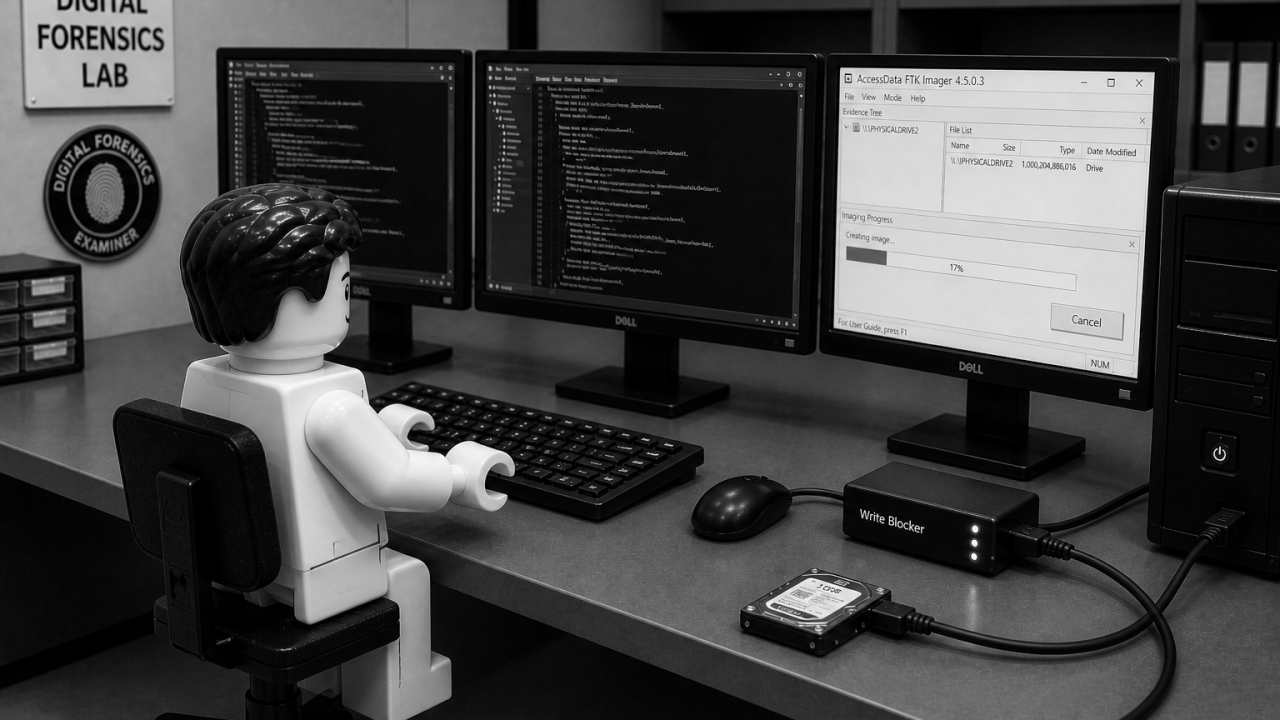
Image: By Quillbot AI Image Generator