
Forensic Science Careers In South Africa
Nick Olivier • 9 April 2020
Are you interested in a career in forensics?
Charles Manson, Ted Bundy, Jeffrey Dahmer, John Wayne Gacy, these names have completely reshaped our understanding of the human psyche. They have brought us terror, they have sparked horror stories, and they have cultivated new fields in forensic science. But would we even know of these names if it was not for the teams of investigators and forensic scientists who cracked these cases? The unique individuals who had the ability to look beyond the horror of these cases and bring the facts into full view of the court.
Forensics scientists are a unique breed of individuals and our mission is to foster that desire and send you in the right direction to start your career in this field, especially in South Africa. In this post, you will find information on different fields of forensic science, the study path of each and where they can be studied in SA.
In South Africa, a forensics education looks a little different from what it does abroad. Unlike other parts of the world, South Africa only has post-graduate programs for Forensic Scientists. University of Cape Town (UCT) defines the career path of a South African Forensic Scientist quite well as “a scientist in one of the disciplines of science who applies his or her knowledge to ‘forensic cases”.
What is Forensics Science, and why does it matter?
Forensic Science is the application of a scientific method to the investigation of a criminal investigation of which the result can be presented in a court case to support the prosecution or defence in a criminal trial. The fields of forensics draw from a variety of science disciplines including physics, chemistry, biology to name a few.
Forensics Science has been a key part of criminal investigations and convictions for decades. From fingerprint classification created by Sir Edward Henry, commissioner of the Metropolitan Police of London in the 1890's to the first comparison microscope created by American physician Calvin Goddard to distinguish which bullets came from various casings all the way to the first crime lab by Edmond Locard in France during 1910. Forensics Science has come a long way since analysing bullet casings and fingerprints and today there are over 14 different fields of learning, including DNA analysis and Digital Forensics.
How to enter the discipline of a forensic science in South Africa
There are three paths to a career in forensic science in South Africa, the fist is through an undergraduate qualification to become a forensic technician ( National Certificate Forensic Science on NQF 5
). The second is through a postgraduate degree after an initial degree that we will discuss below, the third is through experience (primarily from police work). We will explain the variations to each option, but before we look at studying options let's first look at required high school subjects.
School Subjects:
In order to set up your career, you will need to complete your matric with preferably high marks in Biology, Science, and Mathematics. The only exception to this rule is for those that wish to complete the National Certificate in Forensic Science
with at least 8 years of experience in the field. Keep in mind that even with this option you will still need to have completed at least grade 10 or 11.
Where to study undergraduate degrees:
After you have completed your schooling you can now apply for a degree in either biology, biochemistry, chemistry, psychology, medicine, finances or business. You can use this quick search tool
to search for all programs available in SA. Before choosing your degree first have a look at the lists of fields below and their study paths to make sure you choose the right qualification that will allow you entry into your preferred postgraduate.
Forensic fields and postgraduate degrees:
Once you have completed your degree you can now focus on a postgraduate. In order to help you make the right decision, we have given you a list of fields along with their career patch and institutions where they have programs available.
Examples of forensic studies include:
1. Forensic Science:
focuses on scientific principles grounded in molecular biology to analyse a scene and/or evidence. You must first establish foundation knowledge of science through a degree before specialising in forensics.
- Study path: start with a BSc or BSc with Honours in chemistry, biochemistry, molecular biology or physics. Once completed you can then apply for specialty training with the SAPS in order to work in one of their forensic laboratories.
- Specialised Study programs: National Certificate in Forensic Biology on NQF 6.
2. Forensic pathology:
unlike science, pathologists work with cadavers (dead bodies) to examine the cause of death in the case where the cause of death is unknown, known as an autopsy. Beyond this, the pathologist can also be called to a murder scene by the police, research evidence on cases and teaching undergraduate medical students and lawyers.
- Study path: This is an extremely specialised position that first required a Medical Degree (MBChB), 4-5 years’ experience and then studies towards a Master Degree in Forensic Pathology (M Med Path Foren).
3. Forensic Psychology:
much like the other fields there are no undergraduate programs for forensic psychology. But unlike the other career paths, this one poses a bigger challenge because the title of a forensic psychologist is not a registered category by the Health Professions Council of South Africa (HPCSA).
Luckily this does not mean that the field does not exist in SA, the HPCSA simply forces you to register for one of the following categories which are Clinical, Counselling, Educational, Industrial and Research.
- Study path: You will first need to finish a Master Degree in Clinical Psychology. Once registered you will then need to work closely with law firms to work with them on cases to build up your reputation in the field of criminal psychology.
Due to the rise in interest in this field, there has been a call on the HPCSA to include categories for forensics. You can follow the news here.
4. Forensic DNA:
these biologist work in laboratories focusing primarily on biology to complete forensic examinations. The primary role of this career path is the ability to analyse material collected and make findings that can be used in the judicial process (in a court).
- Study path: Thanks to an initiative by the DNA Project and the University of the Free State you are now able to study an undergraduate BSc degree in Forensic Science.
- Specialised Study programs: National Certificate in Forensic Biology on NQF 6.
5. Fraud Investigation:
this field of thought requires more analytical and research ability and is less grounded in science. These investigators help businesses find fraud for example in insurance claims.
- Study path: a fraud investigator must begin with a strong financial or law qualification like a Bachelor Degree in Accounting, Audit or Law etc. and then complete further education to become a Commercial Forensic Practitioner or Certified Fraud Examiner.
- Specialised Study programs: Occupational Certificate Fraud Examiner on NQF 8.
After you have completed your studies you can apply for employment in either the private or public sectors.
Resources:
1. What it's like being a forensic scientist in South Africa: www. businesstech.co.za
2. What is forensic psychology: www. forensic-psychologist.co.za
3. Forensic Analyst or Scientist: www.gostudy.net/occupation/forensic-analyst-or-scientist
4. Studying forensic Science at UCT: www.forensicmedicine.uct.ac.za
5. Outsourced Learner Management: www.forensics4africa.com/qualifications
6. Association of Certified Fraud Examiners: www.acfe.com
7. Institute of Commercial Forensic Practitioners: www.icfp.co.za
8. www.educations.com/search/south-africa

Editorial: (Anti Money Laundering) "Anti-Money Laundering and Customer Due Diligence: Empirical Evidence from South Africa." & "Grey-listing: South Africa’s Progress Plan Against its Action Plan." & "The Legal Implications of South Africa’s Grey-Listing for Money Laundering: Analysis and Recommendations ."

Editorial: (Corporate Governance) "Introduction to Corporate Governance." & "The Concept of Corporate Governance."

Editorial: (Compliance) "A framework to assess compliance training effectiveness: The case of banks in South Africa."

Editorial: (Fraud Examination) "Gift or bribe? The characteristics and the role of gift policies in the prevention of corruption."
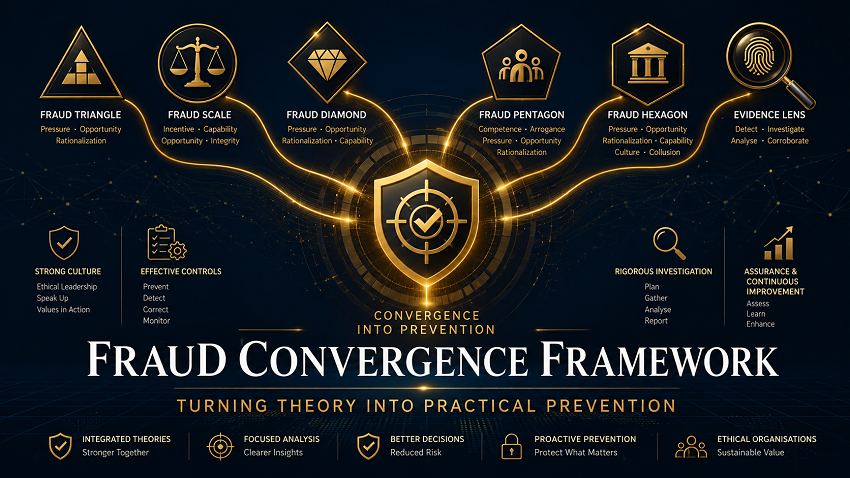
Editorial: (Fraud Examination) "Fraud Is Not Just a Control Failure: Integrity Under Pressure."
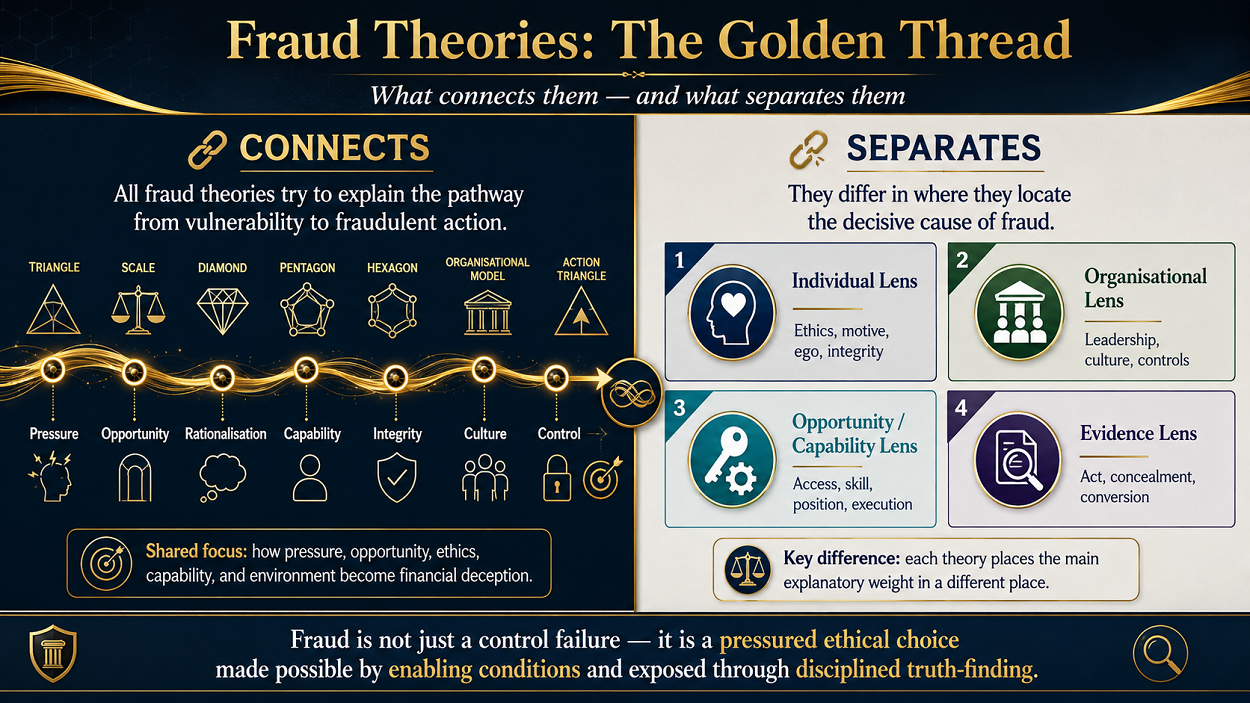
Editorial: (Fraud Examination) "Fathoming Fraud: Unveiling Theories, Investigating Pathways and Combating Fraud."
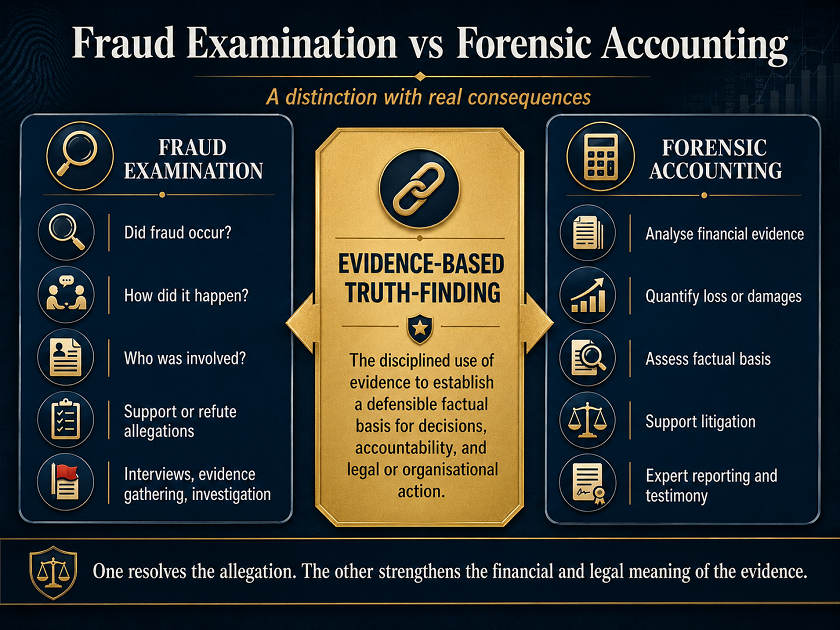
Editorial: (Fraud Examination) "Forensic Accounting vs Fraud Examination: Roles, Importance and Differences."

Editorial: (Compliance) "A Comparison of Key Risk Management Frameworks: COSO-ERM, NIST RMF, ISO 31.000, COBIT."
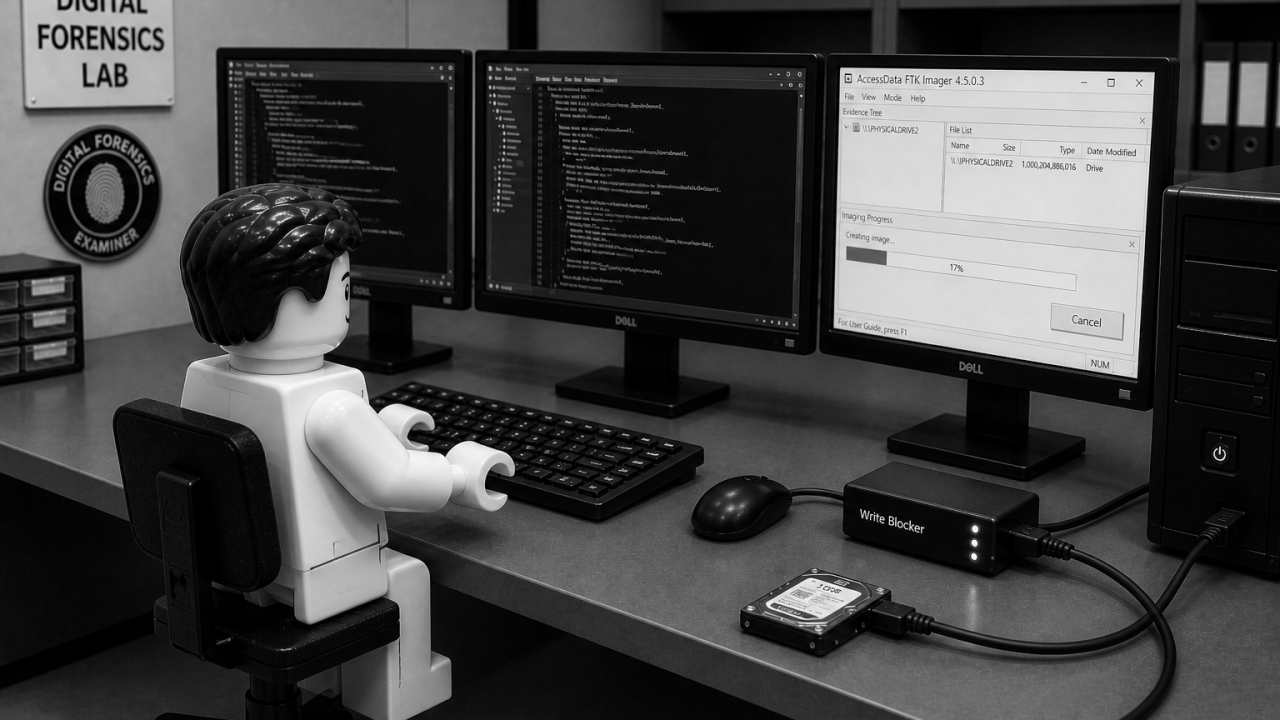
Editorial: (Digital Forensics) "Digital Forensics Has a Body of Knowledge Problem. This Taxonomy Is My Attempt to Fix It."

Editorial: (Forensic Science) Comparing "Thompson et al. 2025" with "Morrison et al. 2025": The Question About the Best Way to Present Likelihood Ratios.