
Cops, criminals refusing to have DNA samples taken, Parliament told
Nick Olivier • 25 May 2016
SOURCE
News24

Parliament – Criminals and some police officers were refusing to have their DNA samples taken, Parliament heard on Wednesday.
The National Forensic Oversight and Ethics Board, also known as the DNA board, gave its annual progress report to Parliament’s police committee.
And it would appear the board has other unexpected issues - part of their budget last year was used to fight xenophobic attacks - without their approval, they now claim.
Detailing the problems they incur, DNA board deputy chairperson Vanessa Lynch said some offenders refused to have samples taken, as they did not understand why their samples were being extracted. Convicted offenders were being released without having their samples taken, she said. "That obviously is a grave concern because you only have one opportunity to do that. It’s a very important function that a convicted offender’s samples be held on the database, not only to possibly link them to previously unsolved cases, but also in the event that they commit an offence again." Correctional services and forensics were working together to generate lists of prisoners that would be released monthly, Lynch said. Economic Freedom Fighters MP Phillip Mhlongo suggested sedating prisoners and getting their samples. "They are in prison, so they forfeit some of their rights," she said. Democratic Alliance MP Zakhele Mbhele raised concerns about officers not wanting to have their samples on the database. "It raises the question of what they might be trying to hide," he said. The lack of adequate funds was also raised as a challenge for the board. Lynch said they had been operating on a shoe-string budget since they were launched in 2015. The board falls under the Civil Secretariat, she said, and part of their budget last year was used to fight xenophobic attacks, without their approval. Another issue raised by MPs and the board was the delayed implementation of the combined DNA Index System. Lynch said they were waiting on approval from the State Security department. The board was praised for doing good work under difficult circumstances.

Editorial: (Anti Money Laundering) "Anti-Money Laundering and Customer Due Diligence: Empirical Evidence from South Africa." & "Grey-listing: South Africa’s Progress Plan Against its Action Plan." & "The Legal Implications of South Africa’s Grey-Listing for Money Laundering: Analysis and Recommendations ."
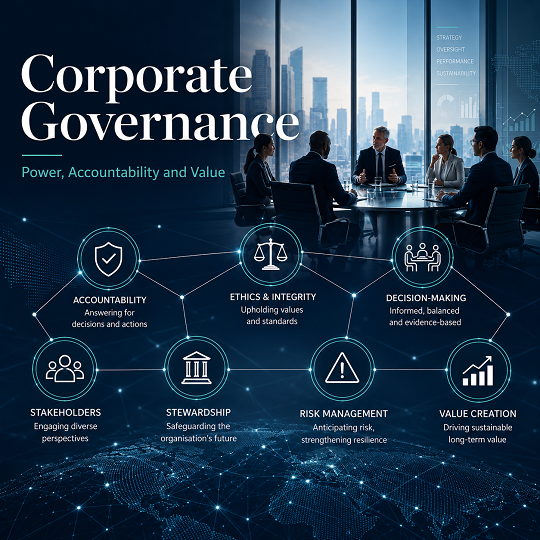
Editorial: (Corporate Governance) "Introduction to Corporate Governance." & "The Concept of Corporate Governance."

Editorial: (Compliance) "A framework to assess compliance training effectiveness: The case of banks in South Africa."

Editorial: (Fraud Examination) "Gift or bribe? The characteristics and the role of gift policies in the prevention of corruption."
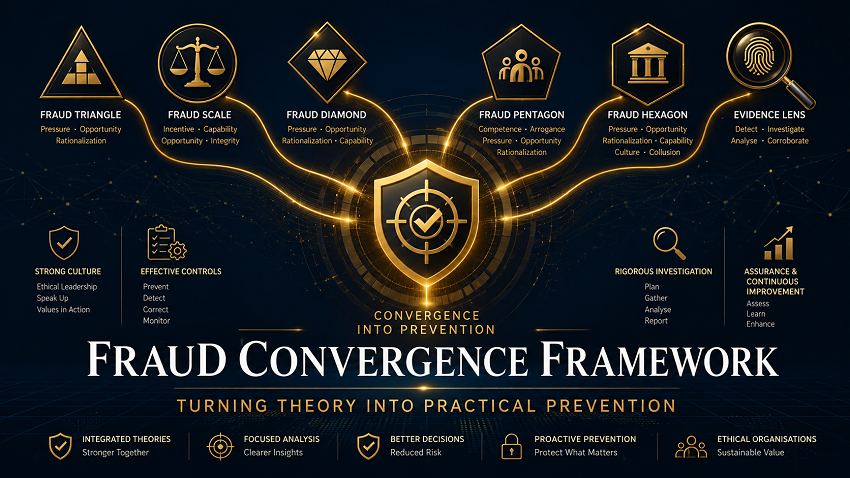
Editorial: (Fraud Examination) "Fraud Is Not Just a Control Failure: Integrity Under Pressure."
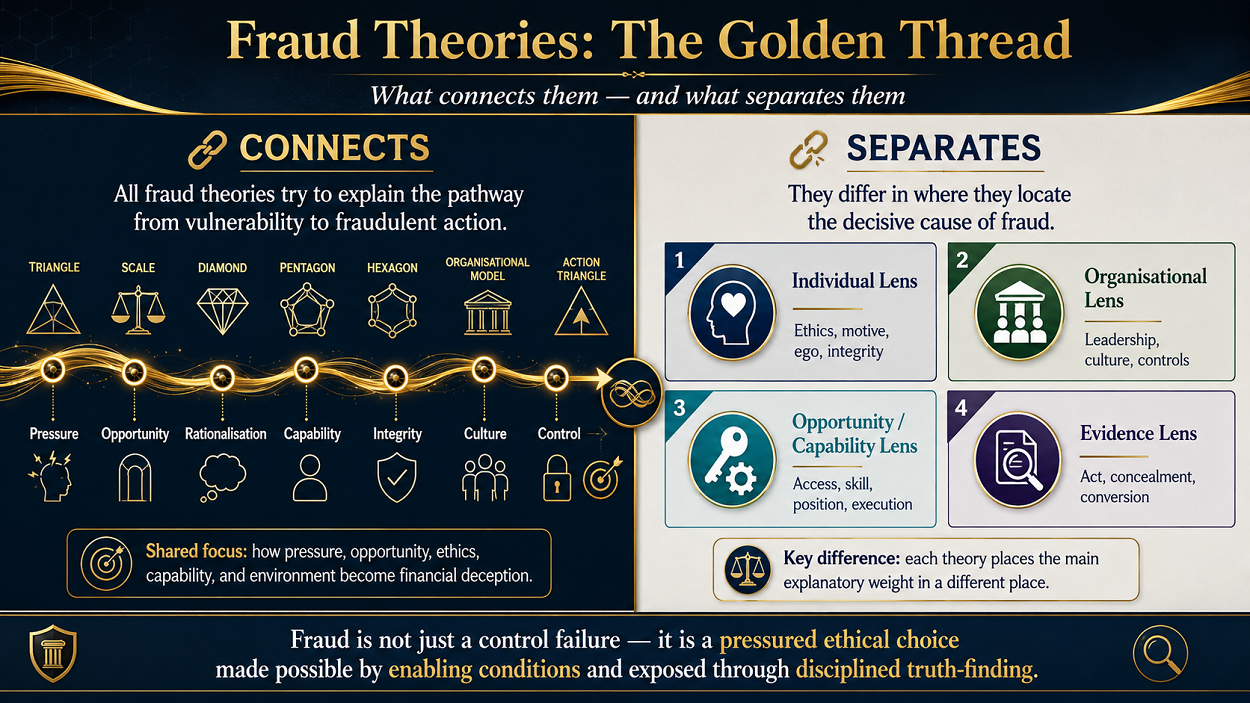
Editorial: (Fraud Examination) "Fathoming Fraud: Unveiling Theories, Investigating Pathways and Combating Fraud."
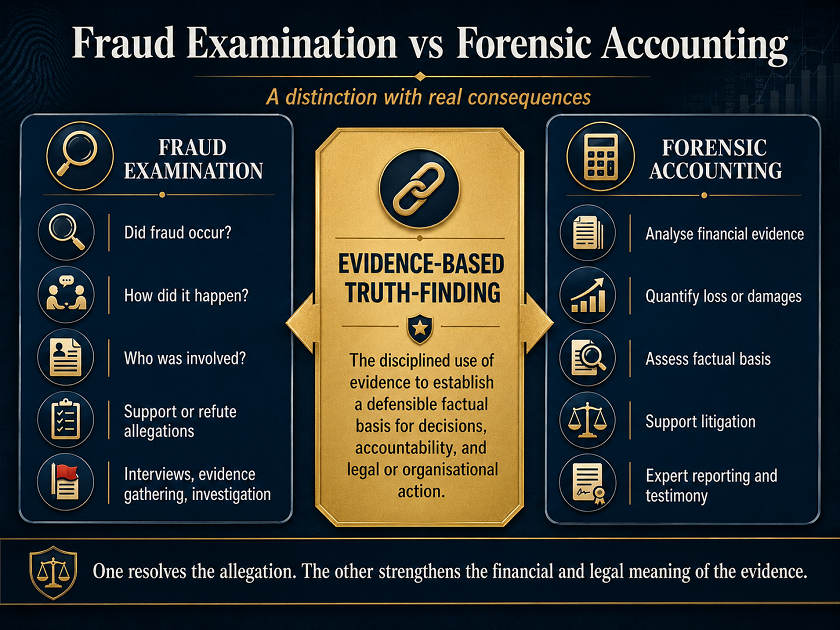
Editorial: (Fraud Examination) "Forensic Accounting vs Fraud Examination: Roles, Importance and Differences."

Editorial: (Compliance) "A Comparison of Key Risk Management Frameworks: COSO-ERM, NIST RMF, ISO 31.000, COBIT."
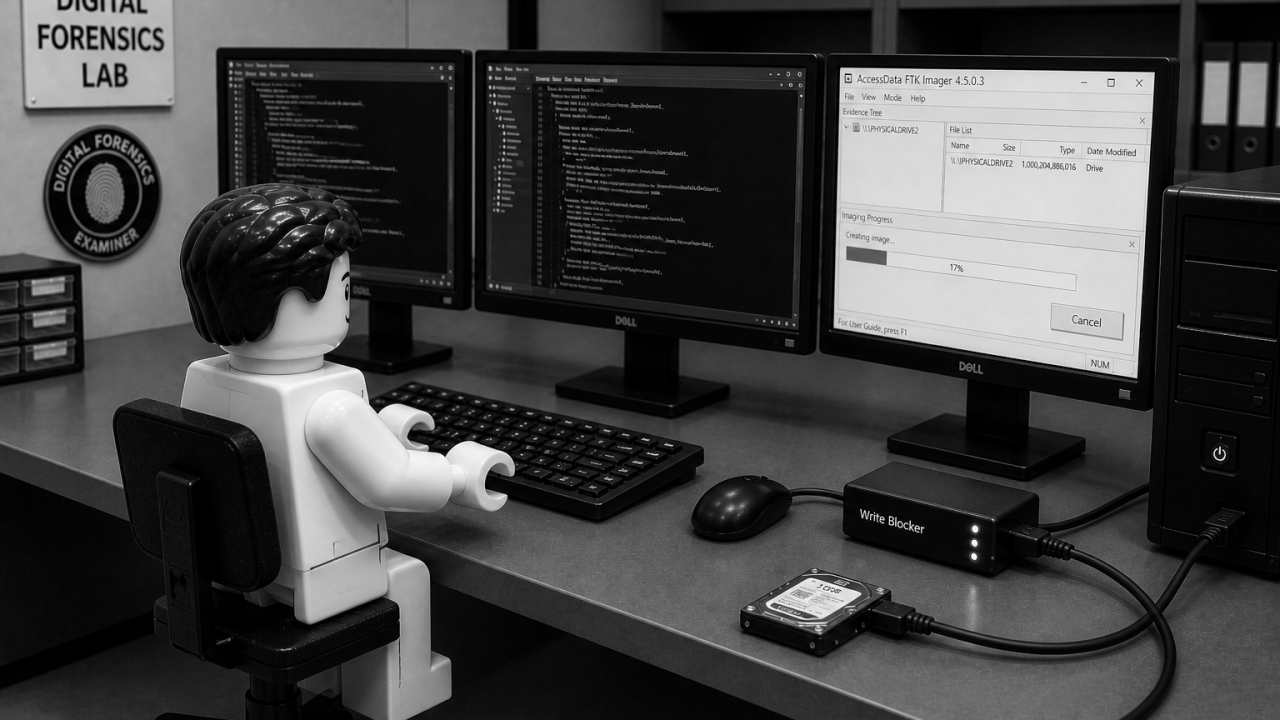
Editorial: (Digital Forensics) "Digital Forensics Has a Body of Knowledge Problem. This Taxonomy Is My Attempt to Fix It."

Editorial: (Forensic Science) Comparing "Thompson et al. 2025" with "Morrison et al. 2025": The Question About the Best Way to Present Likelihood Ratios.